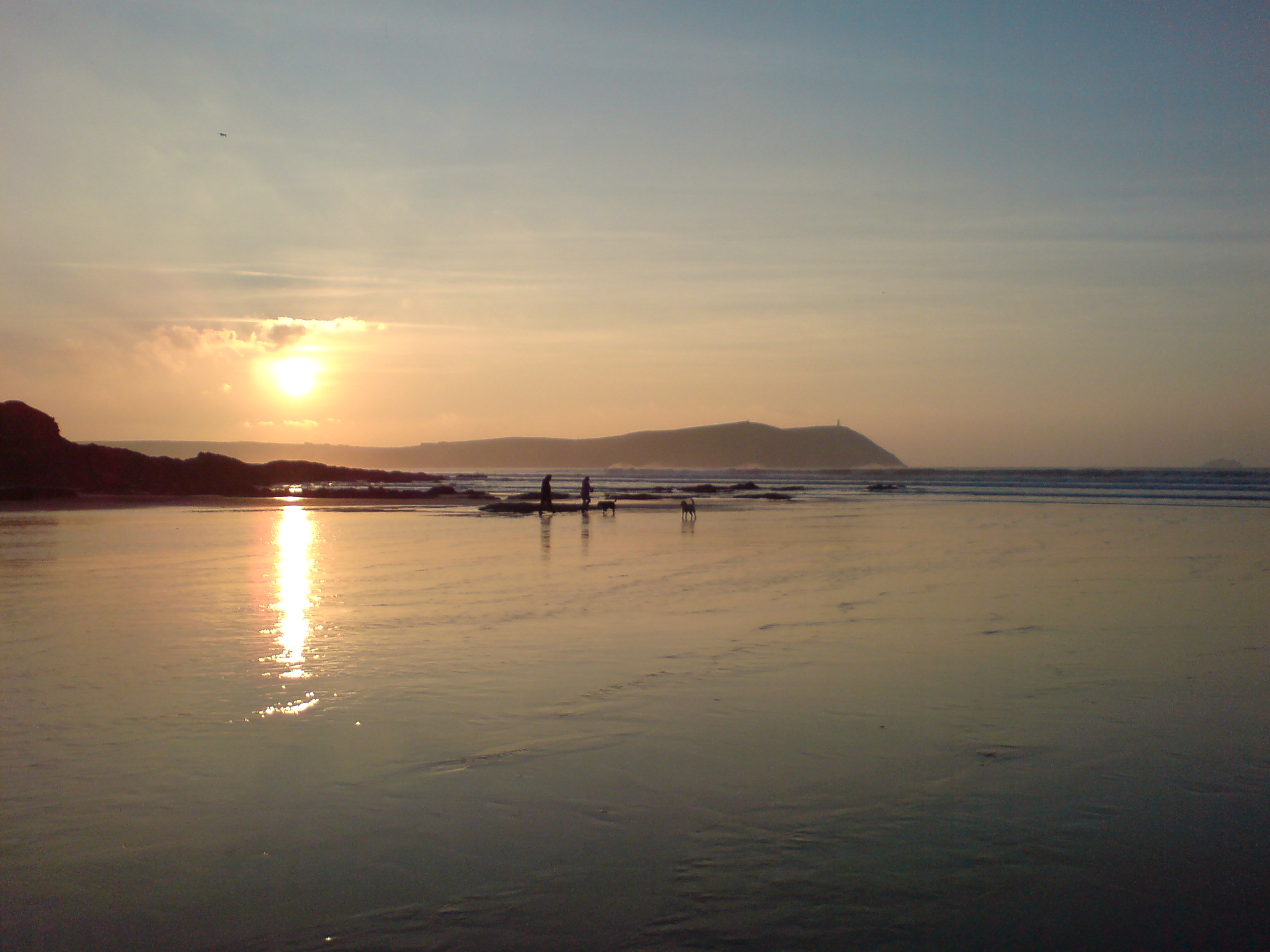

Home to rare butterflies, returning red squirrels, unusual birds, beavers and unexpected marine life; for anyone planning a break in Cornwall, there’s far more to discover than beautiful beaches and charming coastal towns.
© Candocreative / Shutterstock.com
Due to our unique geographic position, mild climate, and rich marine environment creating a natural gateway for vagrant and migratory species, self-catering holidays in Cornwall afford a plethora of opportunities to enjoy a variety of wildlife.
A rare butterfly creates a buzz
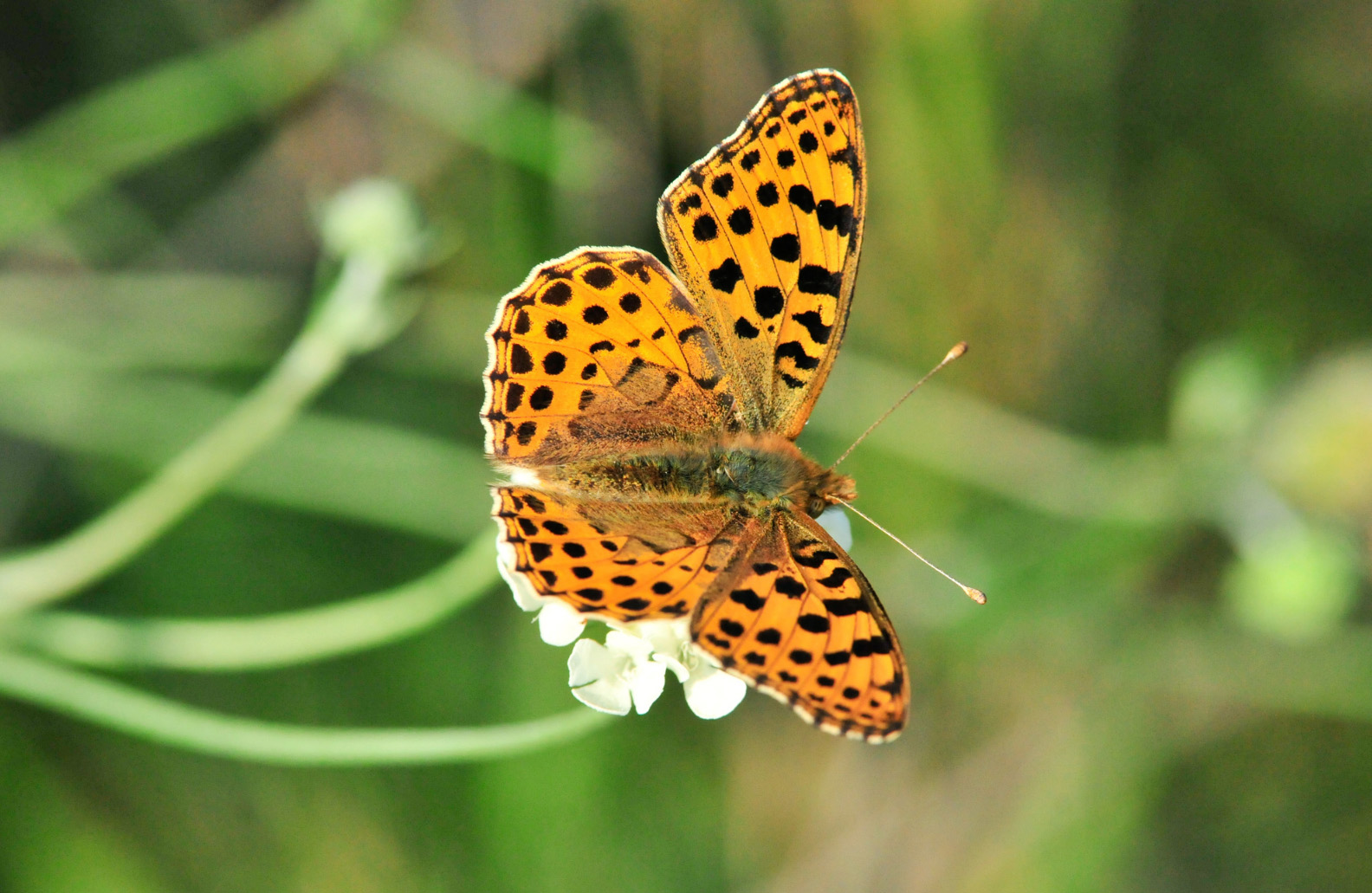
One of the most exciting recent discoveries came in early September, when a Queen of Spain fritillary butterfly was spotted at the Eden Project, at Bodelva, near St Austell, in the Outdoor Gardens. Subsequently verified by the Cornwall County Recorder at Natural England, it was one of only a handful of sightings recorded in the UK this year.
Common across mainland Europe, the butterfly is a very unusual sight in Britain. Small numbers cross the English Channel most years, but it has never established itself consistently enough to be considered a resident species.
The Eden Project described the sighting as a reminder of the role gardens can play as staging posts for wildlife on the move.
Could Cornwall welcome wild red squirrels back?
Once widespread across Britain, red squirrels in Cornwall are now a much rarer sight. Habitat changes and competition from grey squirrels contributed to their decline, leaving them absent from much of the country’s wild landscape.
Groups such as the Cornwall Squirrel Project and the Red Squirrel South West Project are working to restore populations in England. Conservation work at locations including Trewithen Gardens and Trelowarren Estate is particularly important. Paradise Park Wildlife Sanctuary in Hayle has established captive breeding groups at both estates.
For visitors, these projects offer an insight into the conservation work helping to restore Cornwall wildlife and protect its habitats for the future.
Beavers are changing the Cornish landscape
Inland, beavers provide another example of conservation in action. Eurasian beavers were returned to Cornwall through the Cornwall Beaver Project at Woodland Valley Farm near Ladock in 2017, following an absence of more than 400 years.
Often described as ecosystem engineers because their dams and canals can transform the places where they live, by slowing water down and creating ponds and wetland habitats, beavers can provide opportunities for other species to thrive.
Guided beaver walks give visitors the chance to learn about the project and, with luck, see the animals themselves.
Keep an eye out for a rare moth!
The hummingbird hawk-moth is another unusual visitor that can easily fool you at first glance. It migrates to Britain from southern Europe and can be seen in Cornwall from spring through to late autumn.
With a distinctive hum produced by its wings, while hovering in front of flowers using a long proboscis, it can easily be mistaken for a hummingbird. The species can turn up in gardens, coastal areas and open countryside, particularly on warm days when they visit nectar-rich flowers.
Look to the cliffs for rare birds
Birdwatchers also have plenty to look out for, with the Cornish chough being one of Cornwall’s most iconic birds. This glossy black member of the crow family has a striking red bill and legs. After disappearing as a breeding bird from the county for many years, choughs have finally returned to nest, supported by long-running conservation work.
They favour coastal heathland and short, grazed grassland, so cliff walks can provide a good opportunity to see them. Their acrobatic flight and distinctive call make them particularly rewarding to encounter, so take your time when exploring Cornwall’s coastal paths and countryside.
Cornwall’s wildlife doesn’t stop at the shoreline
Surrounded by the Atlantic, Cornwall’s waters provide an exciting habitat for marine life, from familiar coastal species to much rarer visitors.
A Padstow Sea Safari provides a chance to experience this wildlife from the water, with trips heading from the Camel Estuary towards the Atlantic. While seals and dolphins might be the animals most people hope to see, Cornish waters have produced plenty of unexpected encounters.
Sharks, turtles and some colourful surprises
Several shark species can be found in British waters, with Cornwall’s Atlantic coastline occasionally producing unexpected sightings. The shortfin mako is one of the most striking examples. It’s a fast, powerful shark more commonly associated with warmer, temperate waters. Sightings in Cornish waters are extremely unusual, making any confirmed encounter remarkable. The last recorded sighting in Cornwall was in 2007.
Young loggerhead turtles have occasionally been found on Cornish beaches, including Perranporth, where rescued youngsters have been taken into rehabilitation before being prepared for eventual release into warmer waters.
For something considerably smaller, keep an eye on the rock pools. A rainbow sea slug, Babakina anadoni, has previously been discovered in a Falmouth rock pool. The colourful species is normally associated with warmer seas around Spain, Portugal and France, making its appearance in Cornwall particularly unusual.
It’s the sort of unexpected discovery that makes rock pooling so enjoyable, particularly when a seemingly ordinary pool reveals something rarely seen in Cornish waters.
Even jellyfish can be impressive
The lion’s mane jellyfish may not be everyone’s favourite beach discovery, but it is certainly an impressive sight. The largest species of jellyfish in the world, it can occasionally be spotted around the north and west coasts of Cornwall.
Resembling a lion’s mane, its name comes from the mass of trailing tentacles surrounding its body which it uses to catch prey – they can deliver a painful sting, so maybe admire from a sensible distance!
A nature-rich holiday
With beaches, gardens, coastal paths and boat trips all providing different ways to explore, wildlife spotting is an enjoyable part of the things to do in Cornwall.
Wild ponies on The Moors, grey seals in the bays and other land mammals including foxes, roe deer, red deer, otters and badgers can all be encountered in our temperate rainforests and extensive moorlands. Along with wetlands ranging from upland bogs to coastal marshes and river valleys, the county offers the ideal habitats for many native species, and at times, some unexpected but very welcome guests. In short, Cornwall is the place to come if you are a wildlife lover.
A comfortable base makes it so much easier for you to explore at your own pace, whether you’re planning a dedicated wildlife day or simply keeping an eye out for something unusual during your stay.